
Gauteng Ambulance Workers Say They Are Punished for Not Working Unpaid Overtime
News Summary
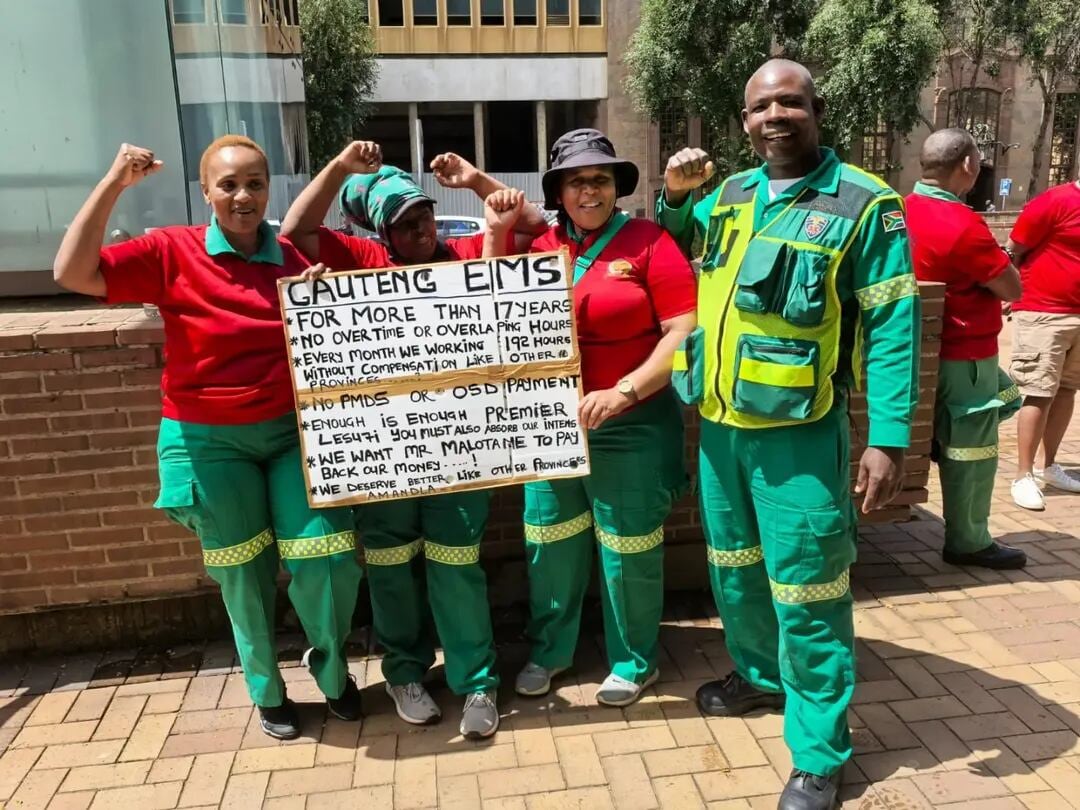
Emergency medical workers in Gauteng say they lose money and face charges when they refuse to work extra hours they are not paid for. The department says workers must follow their shift rosters, and it is reviewing its working-hours rules.
Originally reported by Sowetan.
Why It Matters
Emergency medical workers in Gauteng say they are being punished for saying no to extra shifts they are not paid for. Some workers say up to R4,300 was taken off their normal pay after they refused to work more than 160 hours in a month. Others were given charge sheets and some were suspended for a time. The workers say they never agreed to work these extra hours, and they never got paid for them.
Why This Matters for Workers Everywhere
This fight is not only about ambulances. It touches on rules that affect many jobs in South Africa:
- Your hours must be clear. If your contract says 160 hours a month, you should know what happens after that.
- Extra work should be paid. Overtime is normally paid or swapped for time off, not given for free.
- Paper trails protect you. Workers who keep payslips, rosters, and written messages can prove what happened.
- Low morale hurts everyone. Workers say they feel tired and sad, and some do not come to work. That means fewer ambulances on the road for sick people.
What This Means for the Job Market
The department says there are no suspended workers right now, but 21 workers got charge sheets for not finishing their shifts. It also says it is looking at its working-hours policy to make the rules clearer. For job seekers, this shows why it is important to ask about shifts, overtime, and pay before you accept a job. It also shows that health care and emergency jobs are in high demand, but the working conditions really matter.
If you want to work in emergency services, health care, or any shift-based job, learn your rights. Know what your contract says. Know when you should be paid more. This story is a reminder that a good job is not only about the salary on paper, but also about fair hours, fair pay, and respect at work.
Skills In Demand
From Live Job DatabaseCareer Tip
"Before you sign any contract, ask for the working hours, the shift system, and the overtime rules in writing. Keep copies of your payslips, rosters, and messages about extra shifts. If your pay looks wrong, ask your HR or union rep in writing, and keep that email. This simple habit protects you in any job, from ambulance work to retail and security."