
Trash to Cash: How Waste Pickers Earn a Living
News Summary
Thousands of waste pickers in South Africa earn money by collecting used plastic, cans and cardboard and selling them to buy-back centres. But prices have dropped and transport costs have gone up, so many pickers are now earning much less.
Originally reported by TimesLIVE.
Why It Matters
What is happening?
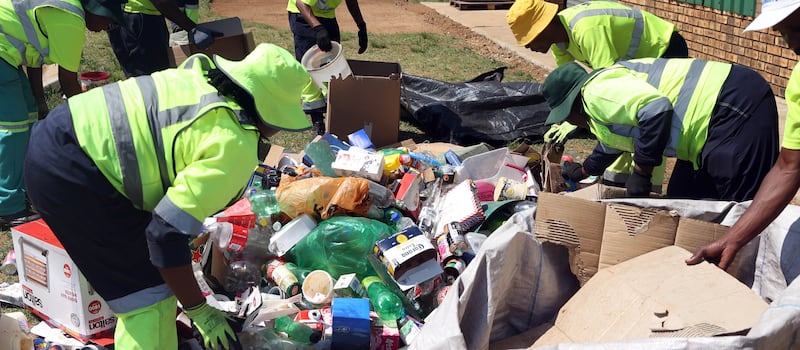
In South Africa, thousands of people make a living by picking up things other people throw away. They collect plastic bottles, milk cartons, cold-drink cans and cardboard. Then they sell these to buy-back centres for cash. At least 15,000 waste pickers are signed up to a government plan called EPR in Gauteng and KwaZulu-Natal. EPR means the companies that make the packaging must take care of it after people use it.
Why pay is falling
The money pickers get depends on the price of the material. And those prices go up and down all the time. For example:
- PET bottles (clear cold-drink bottles) used to pay about R7 a kilo. Now they pay about R3.50 a kilo.
- Aluminium cans used to pay about R14 a kilo. Now they pay about R10 a kilo.
- Some plastic packets have almost no value at all, so nobody wants to buy them.
Petrol prices also matter. If it costs more to drive the materials to the buyer, the buyer pays the picker less. Some pickers stop working when prices are low. They keep the material at home and wait for the market to get better.
What this means for jobs
A picker can collect between 80kg and 400kg in one day. That can mean R100 to R1,000 a day. Where you work matters too. People working in richer areas like Sandton, Hyde Park and Houghton often find more valuable things, such as old electronics.
Some support is coming. Over 600 reclaimers have received training, trolleys and safety gear. There is also a payment platform for glass that has helped about 1,000 reclaimers. But the extra payment is only 15 cents a kilo, which pickers say is too little. Waste pickers are the least paid people in the whole recycling chain, even though the industry cannot run without them. This shows that green jobs are real jobs — but workers need fair pay, safety gear and clear rules to make a steady living.
Skills In Demand
From Live Job DatabaseCareer Tip
"If you want to work in recycling, start by learning how to tell materials apart. Learn what PET, HDPE, LDPE, aluminium and cardboard look like, and which ones pay the most. Then check prices at two or three different buy-back centres near you and sell to the one that pays best. Try to collect in areas where people throw away better items, plan your route to save transport money, and join a group of reclaimers so you can share prices, training and safety tips."